What marketers need to know about social media accessibility
Yumi Chow
October 12, 2022 | Reading Time: 5 mins
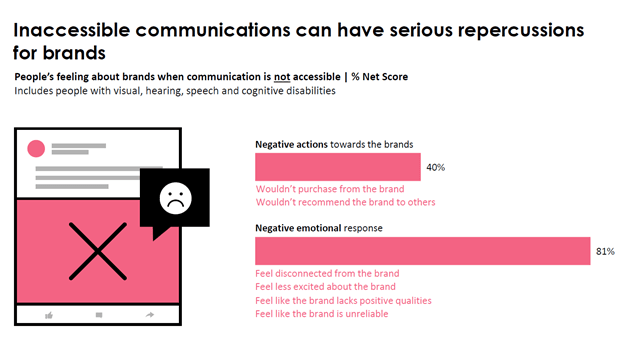
Accessibility is the practice of designing inclusive experiences for all users. For something to be accessible, it must be usable by people with disabilities. 1 billion people on the planet live with a disability. As digital marketers, it’s on us to make sure our work meets the diverse needs of our audiences. This means tailoring our digital strategies so we don’t hinder 15% of the world’s population from engaging with our organizations.
Social media accessibility is about creating content that everyone can understand and interact with. If a potential customer can’t follow along with your LinkedIn post, YouTube video, or Instagram Story, then your content is not accessible.
Why you should care about social media accessibility
Besides the fact that it’s the right thing to do, social media accessibility presents some serious business opportunities. Removing as many barriers as possible to your content and ultimately your brand helps you…
Reach more customers
No one can deny the power of social media. I mean, boosting SEO, building brand awareness, and engaging directly with your audience–who doesn’t want that? But the benefits only apply if people can access your content. Accessible content can help you tap into a wider audience (1 billion people, hello!) that you would otherwise miss out on. And if you don’t offer accessible content, you can bet on people turning to a competitor that does.
Improve customer experience
Being an inclusive brand pays off. Accessible content puts customers first by considering their needs. It also sends out a very important message–this brand welcomes and values every customer, regardless of their circumstances. The result? Increased customer satisfaction and improved brand perception.
Avoid Legal Issues
Governments around the world are starting to crack down on accessibility. In Canada, we have four main regulations that govern accessibility on the web:
Businesses that fail to comply face large fines, sometimes up to $250,000. As governments work towards making the web more inclusive, marketers will have to keep up with regulations or face the consequences.
Best practices for social media accessibility
Without changes to social media platforms, it’s hard to create content that is 100% accessible to everyone. Until then, marketers can work towards creating better and more considerate experiences despite the limitations of the platforms themselves.
To start, know that not all disabilities are the same. Disabilities come in different forms and combinations: visual, hearing, motor, cognitive, and more. No two people will experience the same barriers despite how similar their needs may seem.
Here are some best practices you can follow for social media accessibility keeping different needs in mind.
Text
Don’t: Litter your captions with excessive emojis and symbols (such as ❆ ☾ ✿).
Do: Keep emojis and special characters to a minimum.
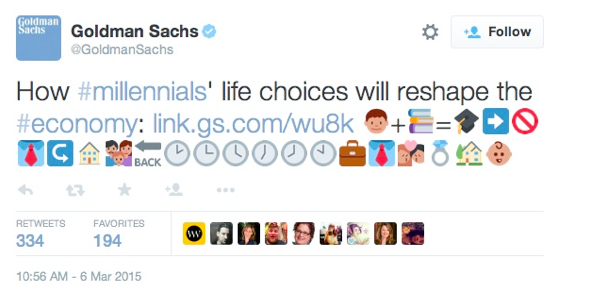
Emojis are super cute and who doesn’t like a quirky symbol in their Facebook caption? Well, think about the people using a screen reader to read captions on social media. It can get confusing (not to mention annoying) to hear “beaming face with smiling eyes” or “money-mouth face” in the middle of every sentence. Try to use emojis in moderation and avoid any custom characters that screen readers may not be able to read.
Don’t: Type your hashtags #inalllowercase.
Do: Write your hashtags in #CamelCase.
#thisissuperhardtoread. Instead, capitalize the first letter of each word in each hashtag (a practice also known as “CamelCase”). Not only will this make it easier for screen readers to correctly distinguish separate words in a hashtag, but it’ll also make life easier for people with visual impairments because #ThisIsMuchEasierToRead.
Images
Don’t: Let your images speak for themselves.
Do: Write alt text to describe images meaningfully.
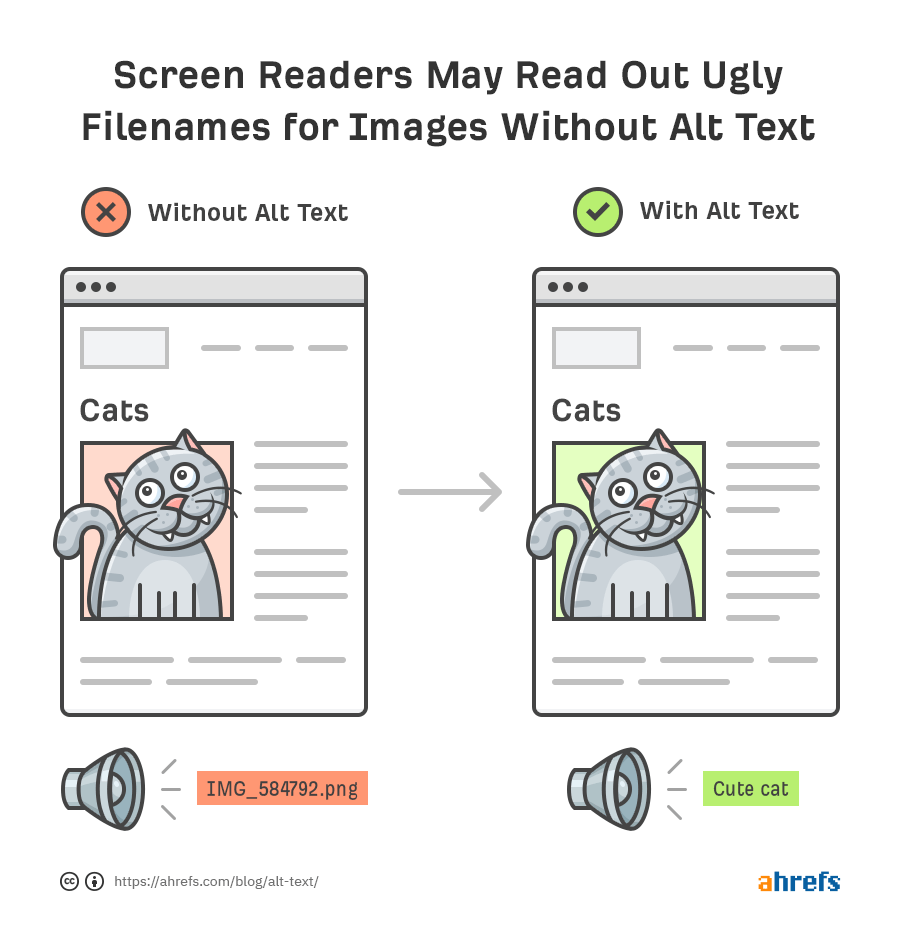
Some folks using assistive technologies rely on alternative (“alt”) text to visualize images. If you want your images to reach everyone in your audience, you need to add alt-text to accurately describe what’s going on — or risk having some users miss out on the full value of your content. Most social media platforms have an option to embed alt-text in photos, including:
Don’t: Choose your colour palette based on aesthetics only.
Do: Use accessible colour combinations.
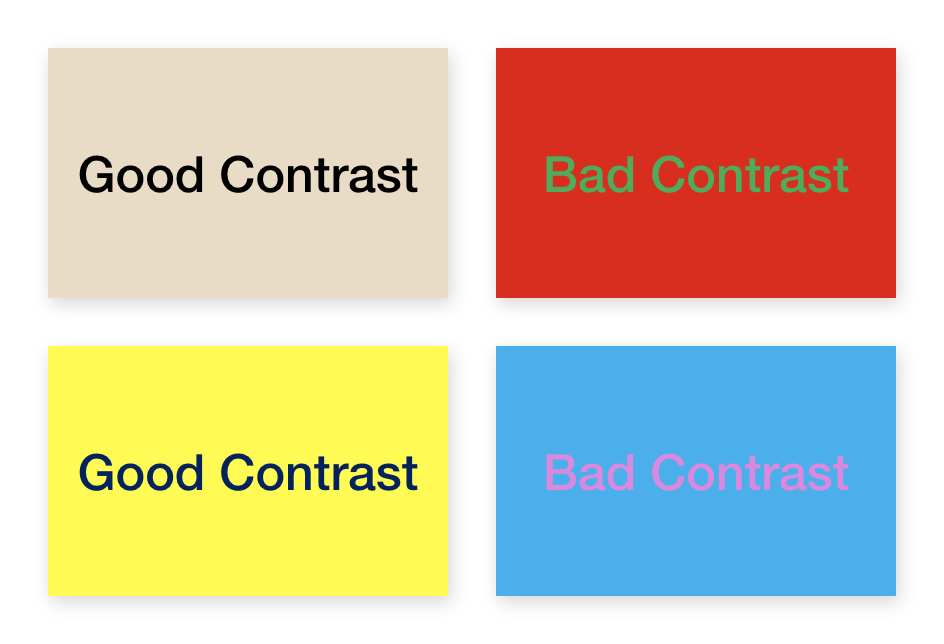
Check that different colours in your images have enough colour contrast to be decipherable to people with visual impairments. The rule of thumb is to maintain a contrast ratio of 4.5:1 between the foreground and background colours.
Videos
Don’t: Rely on platforms to provide automatic captions.
Do: Add your own closed captions to each video.
Have you ever tried to use YouTube’s auto-generated captions? It can be a real hit or miss. Instead, manually add your own closed captions so that folks with hearing impairments can easily follow along with your content.
Don’t: Ignore the importance of contextual cues.
Do: Describe relevant sights and sounds in the video when writing captions and transcripts.
Be an inclusive brand with social media accessibility
Considering social media accessibility in your marketing can ensure that you aren’t an obstacle to your own audience. By committing to learning about accessible practices, inviting feedback from your audience, and building accessibility into future projects, you can help make the world (and the web) a more inclusive place!